

World War III could trigger global catastrophe and systemic collapse
World War III could trigger global catastrophe and systemic collapse
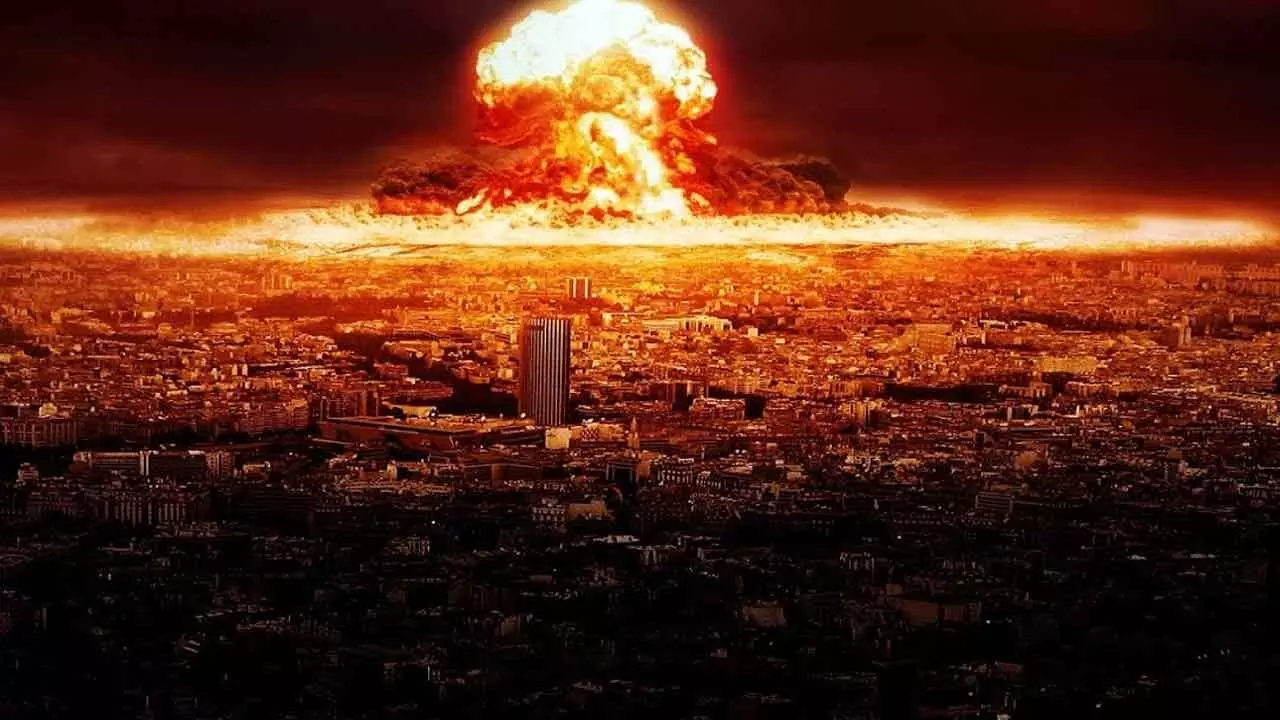
The onset of World War III has the potential to have significant repercussions on a global scale. With the utilization of advanced weapons and nuclear capabilities, a modern global conflict would have multifaceted consequences.
This essay examines the potential consequences of such a calamitous event, including substantial loss of life, nuclear devastation, economic crises, the collapse of humanitarian and environmental structures, geopolitical realignments, technological disruptions, psychological distress, alterations in international relations and global governance, and cultural shifts.
A third world war would likely result in catastrophic, global consequences, including massive, immediate, and long-term loss of life, widespread destruction from nuclear and advanced weaponry, and total economic collapse.
Major impacts include severe environmental damage, profound societal breakdown, and a complete, long-term restructuring of global power. A likely nuclear exchange could cause hundreds of millions of deaths directly, followed by many more from radiation sickness and famine.
Global firestorms, smoke, and debris could cause a "nuclear winter," ruining agriculture worldwide. The disruption of trade, the internet, and energy grids would paralyze modern society. Millions would flee destroyed, uninhabitable zones.
Technological Shift: While AI and space-based military technology might advance, communication and infrastructure would be severely damaged.
Current governments could collapse, leading to the emergence of new, uncertain global powers.
While some areas might be less directly targeted, the global nature of the economy means no region would remain unaffected by the economic, environmental, and social fallout.
Moreover, World War III would inevitably result in economic collapse, with profound global downturns caused by disruptions in trade, industrial disarray, and infrastructure demolitions. Given the intricate interconnections that underpin the architecture of the modern global economy, the repercussions of such a major conflict would ripple throughout the world.
Supply chains would suffer interruptions, leading to a scarcity of essential commodities and services. The destruction of core elements of infrastructure, such as ports, factories, and communication networks, would hobble even the most resilient economies. The exorbitant costs associated with reconstruction efforts would place immense strain on national budgets, potentially exacerbating a long-lasting global recession.
A humanitarian crisis of unprecedented magnitude would follow, characterized by the displacement of millions and resulting in refugee crises, shortages of food, and medical emergencies. The displacement of populations due to conflict and environmental contamination would trigger enormous refugee flows, overwhelming neighbouring countries and international aid organizations.
Food production and distribution would suffer severe consequences, leading to widespread hunger and malnutrition. Medical facilities would be inundated by the sheer number of casualties aggravated by the breakdown of the healthcare infrastructure.
The extensive damage inflicted on ecosystems and biodiversity would be caused by the fallout of nuclear, chemical, and conventional warfare. The use of chemical and biological weapons would contaminate the water, air, and soil, resulting in long-term ecological harm.
Conventional warfare, characterized by the destruction of forests, pollution of bodies of water, and loss of wildlife habitats, would further exacerbate environmental degradation. The cumulative effect of these factors would lead to a substantial loss of biodiversity and the collapse of ecosystems that are crucial for the preservation of life.
International relations would be severely strained or shattered, fostering an extended period of distrust and conflict. The alliances and enmities forged during the war would shape post-war geopolitics, with nations struggling to rebuild trust.
The widespread destruction and devastation would likely give rise to a sense of cynicism and hostility, impeding international cooperation.





